
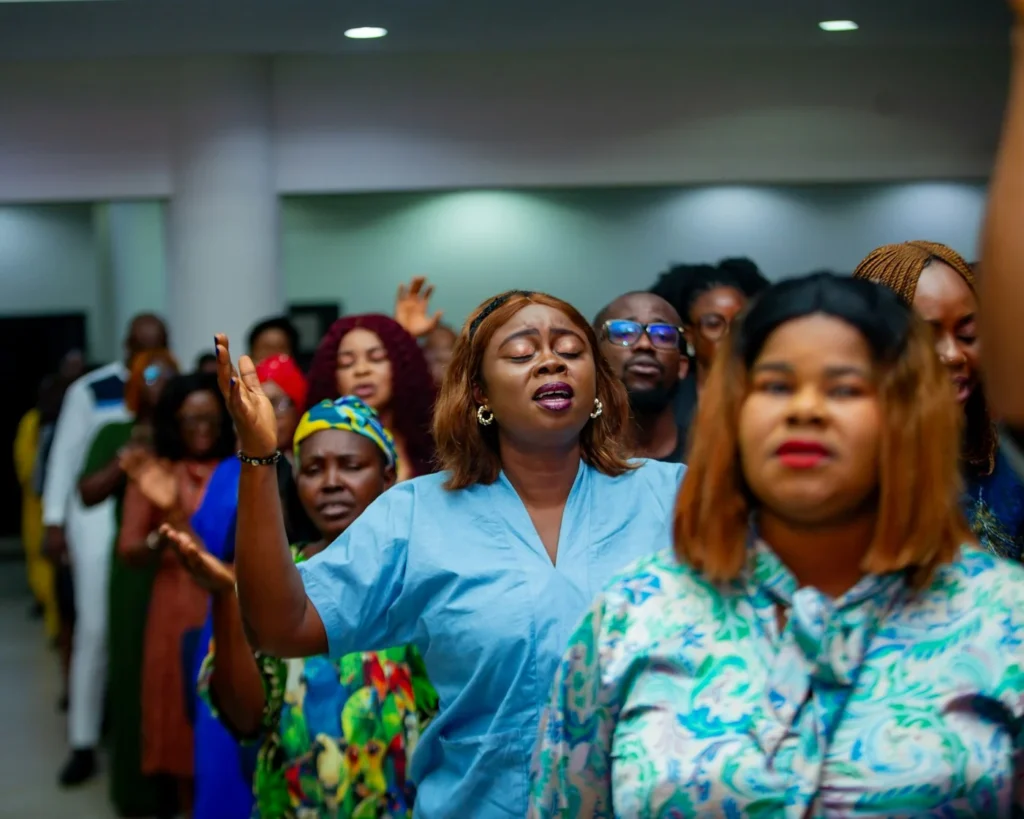
Ugaafrik Editors provides church interpretation in Uganda for services, crusades, conventions, weddings and other religious gatherings. When a visiting preacher speaks English and the congregation prays in Luganda or Swahili, a skilled interpreter carries the message across. As a result, every worshipper can follow the sermon, join the prayers and respond with understanding. We also support mosques, interfaith forums and faith-based organisations.
This page explains how religious interpreting works, who needs it and how to prepare. It also covers the languages we work with and the care we bring to sacred settings.

What Is Church Interpretation in Uganda?
Church interpretation in Uganda is the live rendering of sermons, prayers, testimonies and announcements into another language. For example, a guest pastor from the United States may preach while an interpreter stands beside them and speaks in Luganda. Similarly, a Swahili-speaking bishop may address a congregation in Gulu with an Acholi interpreter.
Religious interpreting differs from other work in important ways. First, the content is sacred, so accuracy and respect matter deeply. Second, preachers often use energy, rhythm and repetition. Therefore, a good church interpreter matches the speaker’s passion as well as their words.
Common interpreting styles in worship
- Stand-beside consecutive: the interpreter stands next to the preacher and repeats each phrase. This is the most common style in Ugandan churches.
- Simultaneous with headsets: the interpreter speaks in real time from a quiet area. This suits large conventions with several language groups.
- Whispered interpretation: the interpreter sits beside a visitor and speaks softly. This works well for guests attending a local service.
Who Needs Church and Religious Interpretation in Uganda?
Faith plays a central role in Ugandan life, and most Ugandans belong to a Christian or Muslim community. Moreover, the country welcomes many visiting preachers, mission teams and pilgrims each year. For instance, large crowds travel to Namugongo every 3 June for Uganda Martyrs Day, including pilgrims from Kenya, Tanzania and beyond. Events like this bring many languages together in one place.
Our clients typically include:
- Churches and ministries hosting guest speakers, revivals or crusades
- Dioceses and denominations holding synods, ordinations and conventions
- Mission teams running outreach, medical camps or school visits
- Mosques and Islamic organisations hosting lectures, conferences or visiting scholars
- Faith-based NGOs delivering programmes in rural communities
- Families planning church weddings, funerals or memorial services
- Interfaith councils running dialogue and peace-building forums
Religious Settings We Cover
Every faith gathering has its own order and tone. Because of this, we prepare our interpreters for the specific setting. Common assignments include:
- Sunday services and midweek fellowships
- Crusades, revivals and open-air gospel meetings
- Church conferences, conventions and leadership summits
- Bible study, discipleship and pastors’ training sessions
- Weddings, baptisms, confirmations and ordinations
- Funerals, requiem masses and memorial services
- Pilgrimages and martyrs’ day celebrations
- Islamic lectures, Friday sermons and religious conferences
- Interfaith dialogue and community peace meetings
- Mission outreach, school assemblies and health camps
Some ministries also need written content. For example, a church may want its sermon notes, songs or booklets in Luganda. In that case, our religious translation services can help.
Crusades, conventions and mission outreach
Large crusades bring special challenges. For example, open-air meetings may have loud music, big crowds and long programmes. Because of this, interpreters need strong voices, good stamina and clear sound. We often suggest two interpreters who take turns, so the energy never drops.
Mission teams have different needs. For instance, a visiting team may run a medical camp in the morning and a youth meeting in the evening. In that case, one interpreter can travel with the team and support each activity. As a result, team members can speak directly with the people they serve. This flexible approach makes church interpretation in Uganda useful well beyond Sunday services.
Languages for Church Interpretation in Uganda
Uganda has many languages, and churches often serve mixed congregations. However, a few languages appear in most requests. We work with interpreters in:

- Luganda, Acholi, Runyankole, Lusoga, Ateso, Lugbara, Lango and Rutooro
- Swahili, Kinyarwanda, Kirundi and Dinka
- French, Arabic, Portuguese, German, Korean and Spanish, depending on availability
Many visiting ministries come from French-speaking countries such as the DR Congo. Therefore, French to Luganda or French to Swahili interpreting is often useful. Please ask about any pairing you need.
Why Faith Interpreting Needs Special Skill
Religious language is rich and layered. For example, preachers quote scripture, use parables and tell personal stories. An interpreter must know common Bible or Quran terms in both languages. In addition, they must know how local churches already express key ideas.
Most Ugandan languages have long-standing Bible translations. Congregations know these familiar verses well. As a result, a good interpreter uses the wording people recognise, rather than inventing new phrases. This keeps church interpretation in Uganda natural and trusted.
Tone also matters. A sermon may move from humour to deep emotion in seconds. Similarly, a funeral service needs a calm, gentle voice. Our interpreters adapt their delivery so the message keeps its spirit.
Interpreting at weddings and funerals
Church weddings and funerals often bring together families from different regions or countries. For example, relatives from Kenya or Europe may attend a service in Runyankole. An interpreter helps them follow the vows, the sermon and the tributes. In addition, they can explain local customs, such as when guests give gifts or offer condolences.
Respect for every tradition
We serve Catholic, Anglican, Pentecostal, Seventh-day Adventist, Orthodox and Muslim communities, among others. Our interpreters stay neutral and respectful. They follow the customs of each place of worship, from dress codes to the order of service.
How Our Church Interpretation Process Works
- Request a quote. First, tell us the date, venue, languages, audience size and type of gathering.
- Agree the style. Next, we recommend stand-beside, whispered or headset interpreting.
- Assign the interpreter. We then match a native-speaker interpreter who knows religious vocabulary.
- Prepare. The interpreter reviews sermon notes, scripture readings, song lists and names.
- Meet the speaker. Before the service, the interpreter and preacher agree on pace and pauses.
- Interpret live. The interpreter delivers the message clearly and keeps the speaker’s energy.
- Follow up. Finally, we can transcribe, translate or subtitle recordings of the service.
Quality, Respect and Confidentiality
Faith gatherings sometimes involve personal testimony, prayer requests or pastoral matters. Our interpreters therefore treat everything they hear with discretion. They can also sign confidentiality agreements on request.
Our interpreters also follow widely accepted professional values, such as accuracy and impartiality. The International Association of Conference Interpreters (AIIC) describes these values in its guidance for interpreters. We apply the same care to church interpretation in Uganda, whether the gathering is small or large.
We never change or soften a speaker’s message. Instead, our interpreters render it faithfully, even when the topic is sensitive. Moreover, they avoid adding personal views or commentary. That is why churches, mosques and ministries can trust our work.
Tips for Planning Church Interpretation in Uganda
- Share notes early. Send the sermon outline, scripture passages and key names before the day.
- Tell us the Bible version. Let us know which translation your church uses, so the interpreter can match it.
- Brief your preacher. Ask the speaker to use short phrases and pause often.
- Provide two microphones. The preacher and interpreter each need a clear sound feed.
- Plan for long events. Crusades and conventions often need two interpreters who take turns.
- Include the worship team. Tell us if songs, altar calls or announcements also need interpreting.
- Arrange equipment early. For headset interpreting, confirm systems with your venue or sound team.
Why Choose Ugaafrik Editors for Church Interpretation in Uganda
Ugaafrik Editors is a translation and interpretation agency based in Kampala. We understand Uganda’s faith communities, languages and customs. In addition, we offer translation, transcription and subtitling, so your message can reach people long after the service ends.
- Native-speaker interpreters for Ugandan, African and world languages
- Familiarity with religious terms and scripture wording
- Respect for every denomination and faith
- Confidential and discreet service
- Support for services, events and media follow-up
Related Services
- Event interpretation services for weddings and ceremonies
- Conference interpretation services for large church conventions
- Consecutive interpretation services for sermons and teaching
- Subtitling services for sermon videos and online services
- Transcription services for sermon recordings
To learn more about the Namugongo pilgrimage, see this report from Vatican News on Uganda Martyrs Day.
Church Interpretation in Uganda: FAQ
Yes. This is one of our most common requests. The interpreter usually stands beside the preacher and renders each phrase for the congregation.
Luganda and Swahili are common in Kampala and central Uganda. However, churches in other regions often need Acholi, Runyankole, Ateso, Lugbara or Lusoga.
Yes. Our service covers churches, mosques and interfaith gatherings. We match interpreters who understand the vocabulary of each faith.
Yes. Our interpreters prepare scripture readings in advance. In addition, they use the wording familiar to local congregations.
Interpreters can summarise or explain songs, but singing translations live is difficult. For songs, we suggest translating lyrics in advance for screens or booklets.
Usually not, if sessions run all day. Interpreting takes focus and energy, so long events need at least two interpreters. That way, church interpretation in Uganda stays accurate from the first session to the last.
Yes. We can provide remote interpreting for live streams, and we can subtitle recorded services afterwards.
Book as early as you can, especially for crusades, conventions and Easter or Christmas events.
Book Church Interpretation in Uganda
Hosting a guest speaker, convention or special service? Ugaafrik Editors can help your message reach every listener. First, share your event details. Then we will match you with the right interpreter.
Request a quote today, or contact us to discuss church interpretation in Uganda.
Get a free quote
Tell us your language, document or event and deadline. We reply quickly with a clear price.
- Native-speaker linguists
- Second-linguist quality check
- Confidential, NDA on request
Our services
Popular languages
Talk to us
Phone: +256 781 683766
Email: info@ugaafrikeditors.com
Office: 2nd Floor L2-20, Kisakye Business Centre, Ntinda, Kampala