
Ugaafrik Editors provides professional interpretation services in Uganda for conferences, meetings, courts, clinics, field research and online events. Our interpreters carry spoken words into another language in real time. As a result, everyone in the room, or on the call, can follow and take part. We work from Kampala. From there, we supply interpreters in English, French, Arabic, Swahili, Kinyarwanda, Somali, Luganda, Acholi, Ateso and more.
What Is Interpretation?
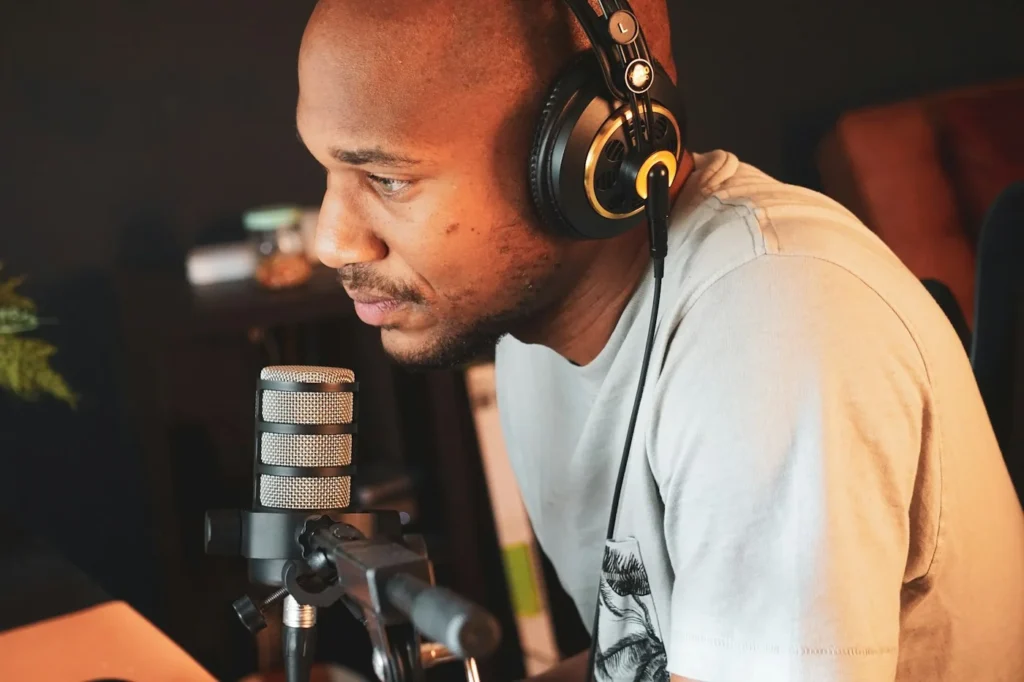
Interpretation deals with speech, while translation deals with written text. An interpreter listens, grasps the full meaning and then says it in another language. That meaning includes tone, intent and cultural references too. When interpreting goes well, people barely notice it, because they feel they are talking directly to each other.
Good interpreters need more than fluency. For example, they need sharp listening, a strong memory and quick judgement. They also need to know the subject, such as medicine, law or engineering. Above all, they must be accurate, neutral and discreet. You can read more about the profession in this overview of language interpretation.
Types of Interpretation Services in Uganda
We pick the mode that best suits your event, audience and budget. Our interpretation services in Uganda cover every common mode.
Simultaneous interpretation
The interpreter speaks at the same time as the speaker, usually from a soundproof booth. Listeners then follow through headsets. So the meeting flows without pauses, which suits large conferences, summits and panels. Because this work is so demanding, interpreters usually work in pairs and take turns. We can also supply booths, consoles, headsets and microphones, with technicians to set up and run the sound, or work with your venue’s own system.
Consecutive interpretation
Here the speaker pauses every few sentences. Then the interpreter gives the message in the other language, often with the help of notes. No equipment is necessary, so this mode suits small meetings, interviews, site visits and community meetings. It takes longer, but it is precise and personal.
Whispered interpretation
In whispered interpretation, or chuchotage, the interpreter sits beside one or two listeners. Then they quietly interpret what others say. This works well when only a few delegates do not share the meeting language.
Liaison interpretation
Liaison or escort interpreting is a flexible, two-way style. For example, it suits business talks, field trips, factory tours and official visits. The interpreter stays with your team and helps both sides talk throughout the day.
Remote and video interpretation
Interpreters can also join by phone or through video platforms such as Zoom or Microsoft Teams. This suits online conferences, hybrid events and short consultations. See our remote interpretation services for details. In addition, we can help with sign-language interpreting for accessible events, so just mention it in your request.
Choosing the Right Mode
Not sure which mode you need? This quick guide can help, and we are always happy to advise for free.
| Situation | Best mode | Equipment |
|---|---|---|
| Conference with 50 or more people | Simultaneous | Booths, headsets, microphones |
| Board meeting with one or two guests | Whispered | None, or a small whisper kit |
| Interview, focus group or community meeting | Consecutive | None |
| Court hearing or legal meeting | Consecutive or whispered | None |
| Site visit or trade mission | Liaison | Optional tour-guide system |
| Webinar or hybrid event | Remote | Platform with language channels |
When you plan your budget, think about event length, the number of languages and how technical the topic is. For long days, interpreters work in teams so they stay fresh. Also, send slides and papers early, because preparation makes a real difference. Speakers can help too when they speak at a steady pace and share acronyms first.
Conference Interpretation Services in Uganda
Kampala and Entebbe often host regional and global meetings. For instance, Uganda hosted the Commonwealth Heads of Government Meeting in 2007. Today the country also hosts NGO workshops, academic conferences and business events. Our conference interpreters prepare in advance with your agenda, slides and glossary.

Every conference is different, so we plan these points with you:
- Which languages you need, and how many interpreters per language
- Whether each session needs simultaneous or consecutive mode
- Equipment for main halls, side rooms and online streams
- Briefing papers, speaker lists and key terms
Find out more on our conference interpretation services page.
Interpretation Services in Kampala and Across Uganda
Much of our work takes place in Kampala, Entebbe and the central region. However, many projects happen elsewhere. For example, teams visit refugee settlements in West Nile and the south-west. Others run health outreach, farm programmes or community talks in rural districts. So our interpretation services in Uganda reach well beyond the capital.
We supply interpreters for Lugbara, Acholi, Lango, Ateso, Karamojong, Lusoga, Lumasaba, Runyankole and Rutooro. We also cover refugee languages such as Swahili, Kinyarwanda, Kirundi, Lingala, Dinka, Arabic and Somali. This matters because many people outside towns feel most at ease in their mother tongue. When they can speak freely, interviews and meetings produce better information.
Sectors We Serve
Legal and courts
Court hearings, police interviews and client meetings need accurate, neutral interpreting. Otherwise, people may not understand their rights. See our court interpretation services and our legal translation services.
Healthcare
Doctors and nurses must understand patients clearly before they diagnose or ask for consent. Our medical interpretation services support hospitals, clinics, outreach camps and health research.
NGOs and humanitarian work
Needs assessments, protection interviews and trainings often run in several languages. Our interpreters understand both the languages and the sensitive nature of this work.
Research and evaluation
Researchers use our interpreters for key informant interviews and focus groups. Afterwards, we can also transcribe and translate the recordings.
Government, diplomacy and business
Official visits, trade missions and embassy events need discreet, precise interpreting. That is why embassies and agencies rely on interpretation services in Uganda that respect protocol. Similarly, business talks, board meetings and product launches run better when language is no barrier.
How We Book Your Interpreter
- Share your event details. First, tell us the date, place or platform, languages, audience size and topic.
- Get a quote and plan. Next, we suggest the right mode, team size and equipment, then send a clear quote.
- Interpreter selection. We then choose interpreters who are native or near-native speakers and know your subject.
- Preparation. Our interpreters study your agenda, slides and terms before the day.
- The event. On the day, they arrive early, test the sound and interpret throughout.
- Follow-up. Finally, we can provide translated minutes or reports through our professional translation services.
For conferences, please book as early as you can, ideally a few weeks ahead. Even so, we always try to help with urgent requests.

What Affects the Cost of Interpretation Services in Uganda?
Every event is different, so prices vary. However, a few factors shape the cost of interpretation services in Uganda more than others:
- The mode, because simultaneous work needs two interpreters and often equipment
- The length of the event, such as a half day, full day or several days
- How many language pairs you need
- Travel to venues outside Kampala, as well as any overnight stays
- How technical the subject is, for example medicine or engineering
Send us your event details, and we will then prepare a clear, no-obligation quote.
Tips for Working with an Interpreter
A few simple steps help your event run smoothly. First, brief the interpreter on the purpose of the meeting. Second, speak to your audience, not to the interpreter. Also, pause at natural points in consecutive mode, and avoid very long sentences. Finally, check sound and seating before the session starts. Our team will guide you through each step, so even first-time organisers feel confident.
Quality, Ethics and Confidentiality
Our interpretation services in Uganda follow clear professional standards. So every interpreter relays everything, and never adds, cuts or gives opinions. Anything they hear stays private. We will also gladly sign a non-disclosure agreement for sensitive meetings, legal cases or medical visits.

Why Choose Our Interpretation Services in Uganda?
- Local knowledge. We work from Kampala, so we know the venues, regions and languages of Uganda.
- Wide language range. Global, regional and local languages all come from one provider.
- Every mode. We offer simultaneous, consecutive, whispered, liaison and remote interpreting.
- Subject expertise in legal, medical, development, research and business settings.
- Full language services, such as translation, transcription and subtitling, for your event papers and recordings.
Learn more about Ugaafrik Editors, or explore the Ugandan languages we cover.
Frequently Asked Questions
In simultaneous mode, the interpreter speaks at the same time as the speaker, usually from a booth. In consecutive mode, however, the speaker pauses so the interpreter can relay the message. The first suits large conferences, while the second suits small meetings and interviews.
For simultaneous work, we usually send two interpreters per language so they can rotate. For short consecutive jobs, one interpreter may be enough. We will advise you based on the length and format of your event.
Yes. We supply booths, consoles, receivers, headsets and microphones, and our technicians set up and manage the sound. If your venue already has equipment, we work with its AV team instead. Alternatively, our interpreters can work with your event’s sound team.
Yes. We send interpreters across Uganda, including rural districts and refugee settlements. We also support events in neighbouring countries.
Yes. Our interpreters can join online and hybrid meetings on Zoom, Microsoft Teams and similar platforms, as well as by phone.
We cover English, French, Arabic, Swahili, Portuguese, Somali, Kinyarwanda, Kirundi and Lingala. We also cover Luganda, Runyankole, Acholi, Ateso, Lugbara, Lango and Lusoga, so just ask about any other language.
Book Interpretation Services in Uganda Today
Are you planning a conference, meeting, interview or field mission? Send your event details through our request a quote page, or contact us to talk it through. We will then help you choose the right mode and the right interpreters.
Get a free quote
Tell us your language, document or event and deadline. We reply quickly with a clear price.
- Native-speaker linguists
- Second-linguist quality check
- Confidential, NDA on request
Our services
Popular languages
Talk to us
Phone: +256 781 683766
Email: info@ugaafrikeditors.com
Office: 2nd Floor L2-20, Kisakye Business Centre, Ntinda, Kampala
All our interpretation services
Find the right interpretation service for your meeting, event, court case or field programme.
- Business Meeting Interpretation
- Church and Religious Interpretation
- Community Interpretation
- Conference Interpretation Services in Uganda
- Consecutive Interpretation
- Court and Legal Interpretation
- Event Interpretation
- Government and Diplomatic Interpretation
- Hire an Interpreter in Uganda
- Immigration Interview Interpretation
- Legal Interpretation
- Liaison and Escort Interpretation
- Media and Broadcast Interpretation
- Medical Interpretation
- NGO and Humanitarian Interpretation
- Refugee and Asylum Interpretation
- Remote and Video Interpretation
- Research and Focus Group Interpretation
- Simultaneous Interpretation
- Whispered Interpretation (Chuchotage)
- Workshop and Training Interpretation