
Ugaafrik Editors arranges professional simultaneous interpretation in Uganda for conferences, summits, launches and large meetings. With this mode, the interpreter speaks at almost the same time as the speaker. As a result, your audience hears the message in their own language with only a few seconds of delay. Our Kampala team works with interpreters in English, French, Arabic, Swahili, Kinyarwanda, Luganda and many other African and world languages.
Simultaneous interpreting keeps an event moving at full speed. For example, a three-day regional forum can run to time, even with several language groups in the room. It also lets every delegate follow the debate live, so nobody feels left out.
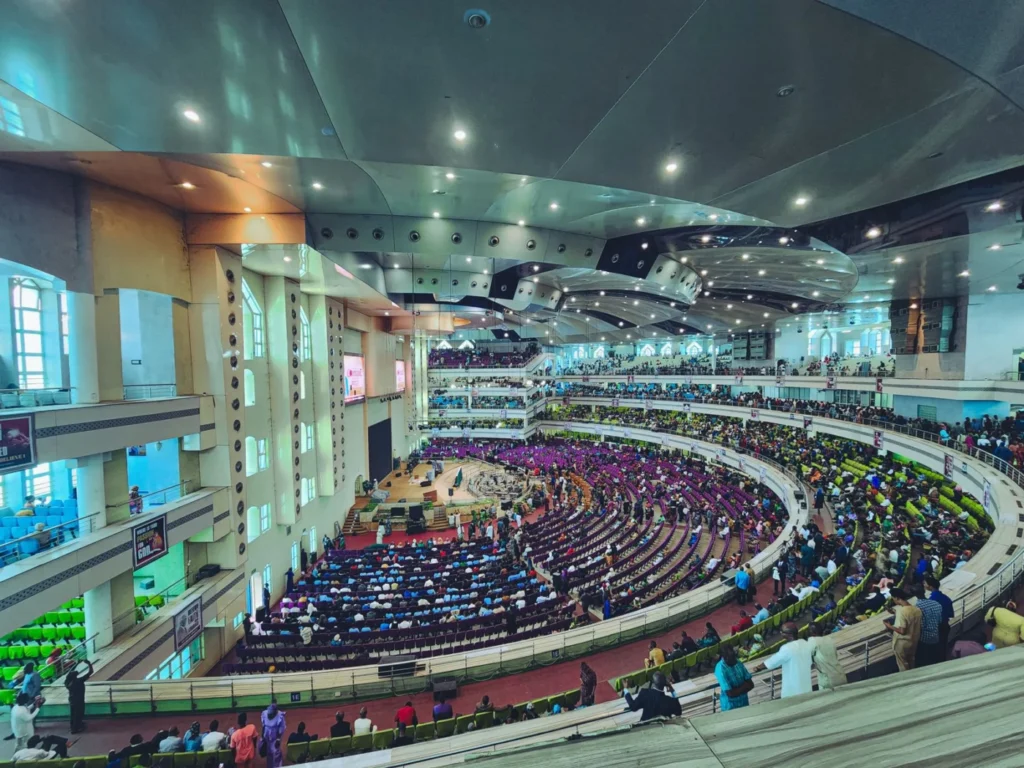
What Is Simultaneous Interpretation?
Simultaneous interpretation is a spoken language service where the interpreter listens and speaks at the same time. Usually, the interpreter sits in a sound-proof booth and hears the speaker through headphones. Then they speak into a microphone, and listeners hear the interpretation through wireless receivers and earpieces.
This work is mentally demanding. The interpreter must understand, convert and deliver ideas while the speaker keeps talking. For this reason, interpreters normally work in teams of two per language, taking turns roughly every 20 to 30 minutes. Meanwhile, the resting interpreter supports their partner with numbers, names and terms.
Simultaneous interpretation in Uganda differs from consecutive work, where the speaker pauses for the interpreter. If your meeting is small and informal, our consecutive interpretation services may suit you better. However, for large or multilingual events, simultaneous mode saves a great deal of time.
Who Needs Simultaneous Interpretation in Uganda?
Kampala hosts many regional and international events, such as summits and trade fairs. In addition, Uganda sits at the heart of East Africa, close to French-speaking and Arabic-speaking neighbours. So organisers often need simultaneous interpretation in Uganda to connect delegates from across the continent.
Typical clients include:
- Government ministries and agencies, for example during regional summits, policy dialogues and official visits.
- Embassies and diplomatic missions, such as at national day events, trade forums and bilateral talks.
- UN agencies and international NGOs, for regional workshops, partner meetings and refugee response planning.
- Universities and research bodies, especially for academic conferences and dissemination events.
- Businesses and investors, for annual meetings, product launches and investor briefings.
- Churches and faith groups, for instance at crusades, conventions and international gatherings.
- Media houses, during live broadcasts and press events with foreign guests.
Events That Suit Simultaneous Interpreting
Simultaneous interpretation in Uganda works best when many people need to follow the same speech in real time. Common events include:
- International conferences and regional summits, such as East African Community meetings.
- Board meetings and general assemblies with several language groups.
- Multi-country workshops and training programmes, especially for NGOs.
- Product launches, award ceremonies and gala dinners.
- Webinars and hybrid meetings, so that remote participants can join in.
- Religious conventions and large public gatherings.
- Live television or radio broadcasts, for example with foreign guest speakers.
For very large events, our conference interpretation services page explains how we plan teams across several days and rooms.
Booths and Equipment for Simultaneous Interpretation in Uganda
Simultaneous interpreting relies on technical equipment. In general, a full set-up includes:
- Interpreter booths, which are sound-proof cabins with a clear view of the stage and screens.
- Interpreter consoles, so that each interpreter controls their microphone and selects the floor sound.
- A central control unit, which a sound technician manages throughout the event.
- Transmitters and receivers, for example infrared or radio systems with a channel for each language.
- Headsets or earpieces, as well as spare batteries, for every listener.
International standards guide this equipment. For instance, ISO 2603 covers permanent booths, while ISO 4043 covers mobile booths. You can read more about interpreting modes in this overview of language interpretation.
Ugaafrik Editors can provide both the interpreters and the equipment. We supply booths, consoles, microphones, receivers and headsets, and our technicians set up and manage the sound. Instead, we can advise you on what your event needs. We can also coordinate closely with your venue or its audio-visual (AV) provider. Many hotels and conference centres in Kampala work with AV firms that supply booths and receivers.
Lighter options for smaller groups
Not every event needs full booths. For a factory tour or a small group, a portable “tour guide” system may work well. Similarly, for one or two listeners, whispered interpretation needs no equipment at all. We can help you weigh these options.
Remote and hybrid events
Some events run online or in hybrid form. In that case, interpreters can work through video platforms that offer language channels. Our remote interpretation services cover this type of meeting.
Languages We Cover
Our simultaneous interpretation in Uganda covers the language pairs that regional events need most. These include English with French, Arabic, Swahili, Portuguese and Amharic. In addition, we work with Kinyarwanda, Kirundi, Somali and other regional languages.
Local languages matter too. For example, a national health campaign launch may need Luganda or Runyankole for community leaders. Likewise, an event in northern Uganda may need Acholi or Lango. Tell us about your audience, and then we will suggest the right mix.
How Simultaneous Interpretation Projects Work
Every request for simultaneous interpretation in Uganda follows a clear plan. Here is how a typical project runs:
- Share your event details. Tell us the dates, venue, languages, audience size and agenda.
- Get a quote and plan. Our team reviews your needs and sends a quote with the suggested team size.
- Equipment advice. We explain what booths and receivers the event needs. Then we either supply the full set-up ourselves or work alongside your venue or AV provider, whichever suits your event.
- Assign the team. We select native-speaker interpreters with experience in your subject area.
- Preparation. You send speeches, slides and term lists. Our interpreters then build glossaries and study the topic.
- Technical check. On the day, the team arrives early to test sound and sight lines with the technician.
- Live interpretation. The interpreters work in pairs and hand over smoothly during the sessions.
- After the event. If you need records, we can arrange transcription or translation of the proceedings.
Quality and Confidentiality
Trust matters in every booking for simultaneous interpretation in Uganda. For example, high-level events often include sensitive policy or business discussions. Therefore, our interpreters keep all content strictly private. We can also sign a non-disclosure agreement before the event.
Our team follows professional principles similar to those of the International Association of Conference Interpreters (AIIC). These include accuracy, neutrality, preparation and teamwork. In practice, this means interpreters never add opinions and never leave out key points.
Tips for Planning Simultaneous Interpretation in Uganda
Good preparation makes simultaneous interpretation in Uganda run smoothly. Here are some practical tips:
- Book early. Popular dates and rare languages fill up fast, so contact us as soon as plans firm up.
- If you use your own AV provider, involve them early. Booth space, power and cabling all need planning, so start soon.
- Send documents ahead. Share agendas, speeches, slides and speaker names at least a few days before.
- Ask speakers to use the microphone. After all, interpreters cannot interpret what they cannot hear.
- Encourage a steady pace. Fast reading from a script is the hardest thing to interpret.
- Plan receiver handouts. Decide who issues and collects headsets at the door.
- Brief the chair. Also ask the chair to remind delegates which channel carries each language.
Common Challenges at Multilingual Events
Even well-planned events face problems. For example, a speaker may switch from English to Luganda without warning. In that case, a team that knows local languages can keep up. Similarly, delegates sometimes forget to select the right channel on their receivers.
Fast reading also causes trouble. When speakers read dense text at speed, interpreters struggle to keep every detail. Therefore, we encourage organisers to share scripts early and to ask speakers to slow down.
Finally, sound quality makes a big difference. Poor microphones or loud rooms reduce accuracy. That is why we work with your AV team on sound checks before simultaneous interpretation in Uganda begins.
Why Choose Ugaafrik Editors?
Ugaafrik Editors is a Kampala-based language company serving Uganda and Africa. We understand the region’s languages, cultures and event venues. Here is what clients value:
- Experienced interpreters who work in pairs, so quality stays steady.
- Wide language coverage, from French and Arabic to Luganda and Acholi.
- Honest advice on the right mode, team and equipment for your budget.
- Smooth coordination with your venue and AV team, because we know how events run.
- One partner for interpretation, translation, transcription and subtitling.
Related Interpretation Services
Besides simultaneous interpretation in Uganda, you may also need:
- Conference interpretation services for multi-day events.
- Liaison and escort interpretation for delegation visits.
- Medical interpretation services for health settings.
- Our full range of interpretation services.
Simultaneous Interpretation in Uganda: FAQ
No. We provide the interpreters. We can supply the interpretation equipment and technicians for your event. Alternatively, if your venue already has a system, we coordinate with its AV provider.
Usually, you need two interpreters per language for each room. For very long days, or for complex topics, we may suggest a larger team.
Simultaneous work is very tiring. So interpreters take turns roughly every 20 to 30 minutes, which keeps accuracy high all day.
Yes. Besides international languages, we arrange simultaneous interpretation in Uganda into languages such as Luganda, Runyankole and Acholi, depending on availability.
Yes. Many video platforms support language channels. As a result, simultaneous interpretation in Uganda can also serve online and hybrid audiences.
First, send the agenda, speeches, slides and speaker names. Then add any special terms, because the more they know, the better they perform.
As early as possible, especially for large events or rare languages. Even so, contact us for short-notice requests, because we will try to help.
Plan Your Simultaneous Interpretation in Uganda
Are you organising a conference, summit or multilingual meeting? Ugaafrik Editors can build the right team of interpreters and help you plan the technical side with your venue. Simply request a quote with your event details, or contact us to discuss your plans.
Get a free quote
Tell us your language, document or event and deadline. We reply quickly with a clear price.
- Native-speaker linguists
- Second-linguist quality check
- Confidential, NDA on request
Our services
Popular languages
Talk to us
Phone: +256 781 683766
Email: info@ugaafrikeditors.com
Office: 2nd Floor L2-20, Kisakye Business Centre, Ntinda, Kampala