Ugaafrik Editors provides humanitarian interpretation in Uganda for NGOs, UN agencies, donors, faith-based groups and research partners. Field teams often work with people who speak Acholi, Ateso, Ngakarimojong, Lugbara, Swahili or another local language. In those moments, a skilled interpreter turns a one-way message into a real conversation. As a result, your programmes listen to communities, not just speak to them.
This page explains how humanitarian interpretation in Uganda supports NGO work. It also covers the settings and languages we handle, and how we keep every session neutral and safe.
What Is Humanitarian Interpretation in Uganda?
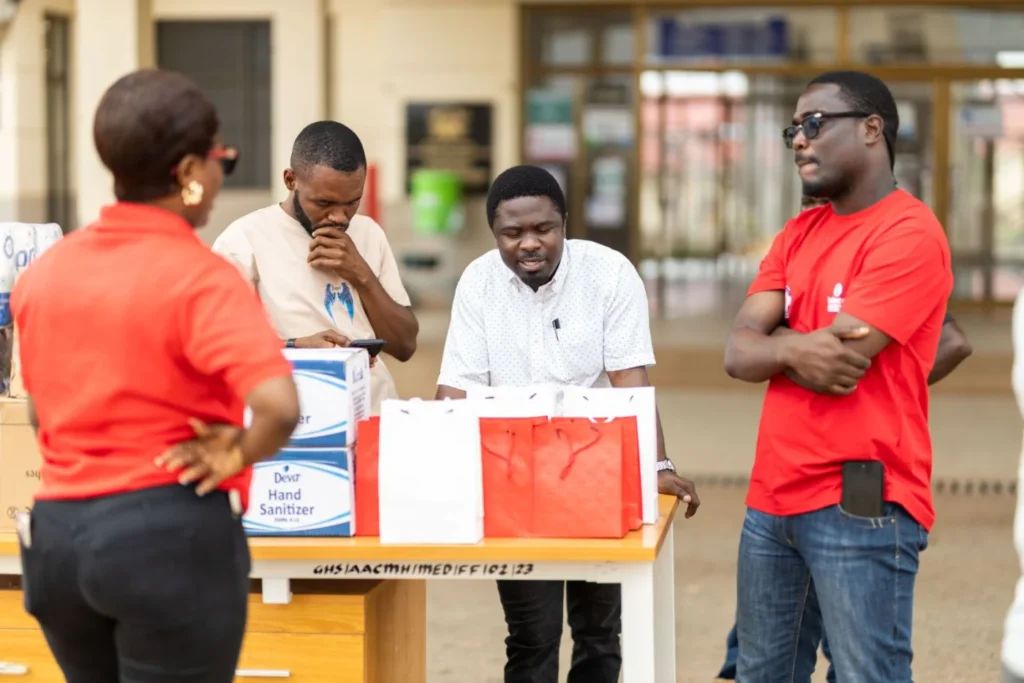
In simple terms, humanitarian interpretation is spoken language support for aid, development and protection work. It also covers field visits, community meetings, trainings, assessments and monitoring visits. Most of the time, the interpreter works in consecutive or liaison mode. In other words, they listen to one speaker, then repeat the message in the other language.
However, NGO interpreting is more than language transfer. The interpreter must follow humanitarian principles such as humanity, neutrality, impartiality and independence. They must also respect “do no harm” rules, safeguarding policies and the dignity of every participant. For this reason, humanitarian interpretation in Uganda needs people with both language skill and field sense.
Who Needs Humanitarian Interpretation in Uganda?
Uganda hosts a large and active NGO sector. The National Bureau for NGOs registers and oversees these organisations under the NGO Act 2016. Alongside them, UN agencies, donors and faith-based groups run programmes in almost every district. Many of these teams need interpreters regularly.
International and national NGOs
NGOs work in health, nutrition, water and sanitation, education, livelihoods, gender and child protection. For example, a WASH team in Karamoja may need Ngakarimojong interpreting for a hygiene session. Similarly, a livelihoods team in Lira may need Lango interpreting for a savings group meeting.
UN agencies and donors
UN agencies and donor missions visit project sites to check progress and meet beneficiaries. In these visits, an interpreter helps senior staff hear directly from communities. Therefore, the feedback reaches decision-makers without filters.
Emergency responders
Uganda faces floods, landslides, drought and disease outbreaks from time to time. For instance, the Mount Elgon area has seen deadly landslides, and Karamoja has faced repeated food insecurity. During these crises, responders need interpreters for rapid assessments, health messaging and distributions. You can follow current crisis updates on ReliefWeb’s Uganda page.
Researchers and evaluators
Baseline studies, mid-term reviews and final evaluations often involve interviews and focus groups in local languages. Our research and focus group interpretation page covers this work in more detail.
Settings We Cover
Our interpreters support NGO work in offices, towns and remote villages. Typical settings include:
- Community entry meetings with local leaders and elders
- Needs assessments and rapid emergency assessments
- Beneficiary registration and verification
- Food, cash and non-food item distributions
- Health, nutrition and hygiene promotion sessions
- Training workshops for farmers, teachers and village health teams
- Monitoring visits, spot checks and donor field trips
- Feedback and complaints sessions
- Protection, GBV and child protection case work
- Partner meetings, steering committees and inception workshops
For larger events, such as national workshops or regional conferences, see our conference interpretation services. Meanwhile, for work in settlements, our refugee interpretation services page explains the specific needs of that response.
Languages for Humanitarian Interpretation in Uganda
We match each assignment to the language and dialect of the community you serve. Common languages include:

- Acholi and Lango in northern Uganda. See our Acholi translation services.
- Ngakarimojong in Karamoja. Learn about our Karamojong translation services.
- Ateso and Kumam in the Teso sub-region.
- Lugbara, Madi and Alur in West Nile. Read about our Lugbara translation services.
- Runyankole, Rutooro, Rukiga and Rukonjo in western Uganda.
- Luganda, Lusoga and Lumasaba in central and eastern Uganda.
- Swahili, French and Arabic for regional staff and cross-border work. See our Swahili translation services.
Some communities use more than one language. For this reason, we ask about the exact villages before we assign an interpreter.
Humanitarian Interpretation in Uganda for Accountability
Good programmes listen as well as deliver. Accountability to affected people depends on honest, two-way talk. For example, a woman may want to report that a distribution point is unsafe. If she cannot speak in her own language, that warning may never reach the team.
Humanitarian interpretation in Uganda helps close that gap. In addition, it gives elders, women, youth and people with disabilities an equal chance to speak. As a result, your feedback data becomes more accurate, and your programme can adapt faster.
Humanitarian Interpretation in Uganda During Health Emergencies
Disease outbreaks put heavy pressure on communication. For example, Uganda has responded to Ebola outbreaks in recent years, as well as cholera, measles and mpox. In each case, health teams must explain symptoms, isolation, safe burials and vaccination in local languages. Moreover, they must do it quickly and without causing panic.
Humanitarian interpretation in Uganda supports these efforts in several ways. First, interpreters help contact tracers and community mobilisers speak with families. Second, they support radio talk shows and village meetings, where people ask hard questions. Finally, they help health workers listen to rumours and fears, so the response can address them directly.
Interpreting for Multi-Partner Coordination
Large responses bring many actors together, such as district officials, UN agencies, national NGOs and community groups. Meetings often switch between English, Swahili, French and local languages. As a result, some participants may miss key decisions.
Our interpreters help every partner follow the discussion. In addition, they can interpret district coordination meetings, cluster meetings at field level and joint monitoring visits. That way, local leaders and community representatives take a full part, rather than sitting on the side.
How Our Process Works
We keep booking simple, even for remote humanitarian interpretation in Uganda. Generally, a project runs like this:
- Share the brief. Tell us the languages, districts, dates, type of activity and group size. Also mention any safeguarding or security needs.
- Get a quote. We confirm the plan, the number of interpreters and travel logistics.
- Match the interpreter. Next, we choose a fluent speaker of the local dialect with relevant field experience.
- Brief and prepare. You share tools, key terms and your code of conduct. Then the interpreter builds a short glossary in plain language.
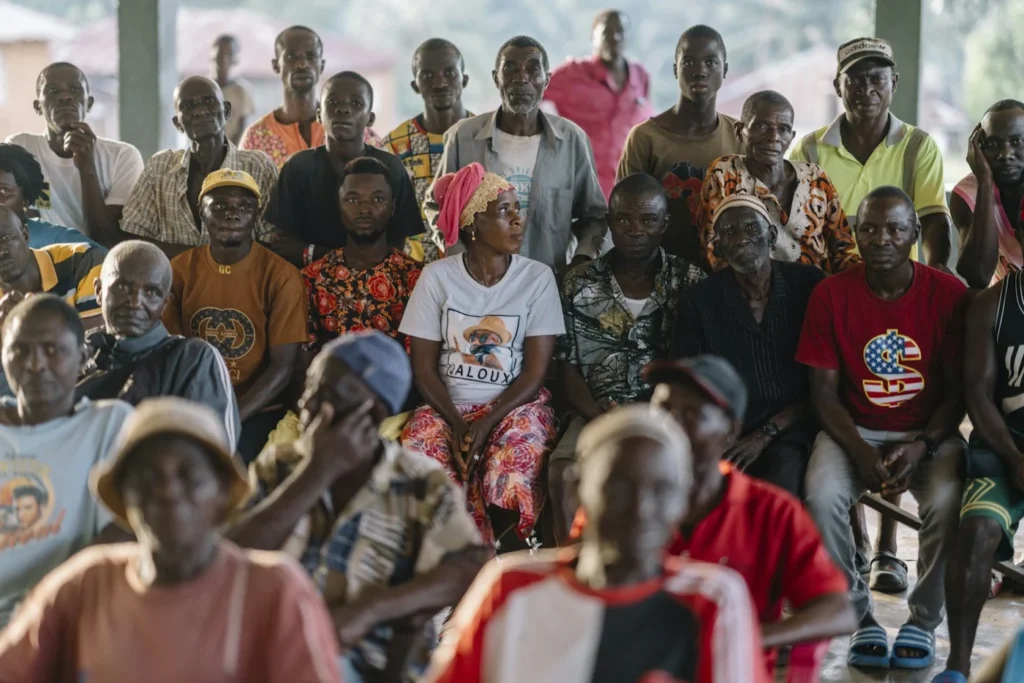
- Interpret in the field. The interpreter introduces their role, stays neutral and interprets every exchange in full.
- Debrief and follow up. We can also translate notes, reports or awareness materials through our NGO translation services.
Neutrality, Safeguarding and Confidentiality
Humanitarian settings can be tense. Therefore, our interpreters stay strictly neutral. They do not take sides in local disputes, promise aid or add their own opinions. Instead, they interpret what each person says, clearly and completely.
Safeguarding also comes first. We are happy to sign your safeguarding, PSEA and data protection policies before work begins. Moreover, our interpreters keep all information confidential and treat every participant with respect.
Finally, we think about who interprets for whom. For instance, a women’s group may speak more freely with a female interpreter. Likewise, we avoid assigning an interpreter with close ties to a local leader if that could limit open talk.
Tips for NGO Teams
- Brief early. Share your tools and key terms a few days before the field trip.
- Simplify jargon. Terms such as “resilience”, “PSEA” or “MEAL” need plain local equivalents.
- Speak in short blocks. Short sentences help the interpreter capture every detail.
- Look at the participants. Speak to the community, not to the interpreter.
- Plan for time. Interpreted sessions take longer, so build this into your schedule.
- Agree the role. Make clear that the interpreter does not register people or make decisions.
- Debrief together. After the session, ask the interpreter about any cultural points you might have missed.
Why Choose Ugaafrik Editors?
Ugaafrik Editors is a Kampala-based language agency that works across Uganda and Africa. We know the regions, the languages and the realities of field work. Because of this, we can support a one-day monitoring visit or a long, multi-district programme.
Moreover, we provide translation, transcription and subtitling. So your questionnaires, radio spots and reports can match the words your interpreters use in the field. In short, one partner can cover all your language needs.
Related Services
- Community interpretation services for public service settings
- Workshop and training interpretation for capacity building
- Transcription services for interview and focus group recordings
Humanitarian Interpretation FAQ
Yes. We can arrange humanitarian interpretation in Uganda for remote areas such as Karamoja, West Nile, Acholi and Teso. Also, we agree travel and logistics in the quote.
Yes. We are happy to sign your safeguarding, PSEA and data protection policies. Our interpreters then follow them throughout the assignment.
Consecutive or liaison interpreting suits most field work. Because it needs no equipment, it works well in small groups and outdoor meetings.
We understand that emergencies do not wait. So contact us as soon as possible, and we will check who is available in the affected area.
Yes. For women’s groups, maternal health or GBV work, you can ask for a female interpreter. We will do our best to meet the request.
Yes. Before field work starts, we can translate questionnaires, consent forms and key messages into local languages. As a result, your interpreters and your written tools use the same terms.
Yes. Our remote interpretation services support partner calls, webinars and remote monitoring interviews.
Book Humanitarian Interpretation in Uganda
Strong programmes start with clear communication. If your team needs humanitarian interpretation in Uganda for field visits, trainings or assessments, we are ready to help. Tell us your languages, districts and dates, and we will plan the right support.
Request a quote today, or contact our team to discuss your programme.
Get a free quote
Tell us your language, document or event and deadline. We reply quickly with a clear price.
- Native-speaker linguists
- Second-linguist quality check
- Confidential, NDA on request
Our services
Popular languages
Talk to us
Phone: +256 781 683766
Email: info@ugaafrikeditors.com
Office: 2nd Floor L2-20, Kisakye Business Centre, Ntinda, Kampala