
Ugaafrik Editors provides professional Lugungu translation for oil and gas projects, NGOs, health teams, researchers and local governments in the Lake Albert region. Lugungu is the language of the Bagungu people of Buliisa District and nearby parts of Hoima. Our native-speaker linguists translate between English and Lugungu, so your message reaches local families clearly. We also provide interpreters, transcription and audio work for community engagement across the Albertine region.
Since the discovery of oil near Lake Albert, demand for clear local language communication has grown fast. However, many projects still rely on Runyoro or English alone. For this reason, a dedicated Lugungu translation helps you build trust and meet good practice for community consultation.
About the Lugungu Language
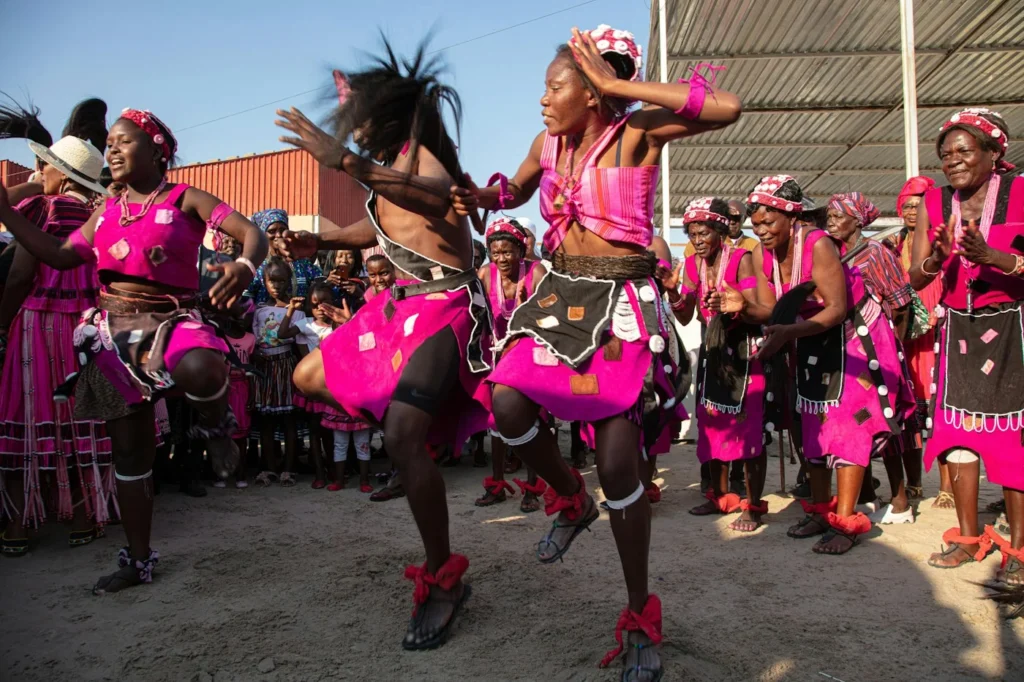
Lugungu, also called Rugungu or Gungu, is a Bantu language of the Great Lakes group. The Bagungu live mainly on the north-eastern shores of Lake Albert, in Buliisa District, close to Murchison Falls National Park. The Gungu language article on Wikipedia cites a 2002 census figure of about 49,000 speakers. More recent estimates put the number at around 84,000.
Lugungu is closely related to Runyoro. In fact, some sources describe it as a distinct dialect of Runyoro. Even so, the Bagungu have a strong sense of their own identity. They also appear among the indigenous communities in Uganda’s Constitution. Therefore, many speakers prefer materials in Lugungu rather than in Runyoro.
Writers use the Latin alphabet with some special marks. For example, the spelling system uses a line under some vowels, such as i̱ and u̱, to show close vowel sounds. It also marks tone on certain verb forms. A Lugungu New Testament appeared in 2017, and it gives readers a large body of written Lugungu.
According to the Gungu people article on Wikipedia, the Bagungu were traditionally fishers, cattle keepers and farmers. However, falling fish stocks and pressure on grazing land have pushed many families towards farming. These changes shape the topics that local projects need to explain.
Who Needs Lugungu Translation?
Demand for Lugungu translation comes from several sectors. In general, projects that affect land, water or daily life in Buliisa should use the local first language.
Oil, gas and infrastructure projects
Large oil and gas deposits lie under the Albertine region, and several fields sit on Bagungu land. As a result, developers and contractors must consult local people often. For instance, they share resettlement plans, compensation notices, grievance procedures and safety messages.
These documents have a real impact on people’s land and income. Therefore, the wording must be accurate, simple and fair. Our technical translation services handle engineering and environmental terms, while our Lugungu linguists put them into plain local language.
Environmental and social impact work
Consultants prepare environmental and social impact assessments before major works begin. Similarly, they run baseline surveys, livelihood studies and community meetings. We translate questionnaires, consent forms, summaries and disclosure materials. In addition, we transcribe and translate recorded meetings for the official record.
Health, fisheries and conservation
Health teams in Buliisa need clear messages on malaria, HIV, bilharzia, maternal care and nutrition. Meanwhile, fisheries and conservation groups work on Lake Albert and around Murchison Falls. For example, they explain fishing rules, wildlife conflict and tourism projects. Lugungu translation helps these messages reach every landing site and village.
Local government, courts and civic education
District offices share bylaws, notices and public awareness messages. Likewise, land disputes and compensation cases sometimes reach courts and mediators. Our legal translation services support affidavits, statements and agreements with Lugungu speakers.
English to Lugungu Translation: Common Documents
Most of our projects move from English to Lugungu. However, we also translate from Lugungu into English, especially for grievance records and research. Typical documents include:
- Resettlement action plan summaries and compensation notices
- Grievance forms, feedback logs and meeting minutes
- Health and safety leaflets, posters and radio scripts
- Survey questionnaires, consent forms and interview guides
- Land agreements, affidavits and witness statements
- Training guides for farmers, fishers and savings groups
- Videos, voice scripts and subtitles for community screenings
We match each Lugungu translation to a linguist with the right subject experience. For example, a compensation notice goes to a translator who understands land and legal terms.
Why First-Language Consultation Matters
Good practice for large projects asks developers to share information in a form people understand. In other words, a notice in English or Runyoro may not count as real consultation in a Bagungu village. Clear Lugungu translation gives people a fair chance to ask questions, raise concerns and agree to plans with full knowledge.

First-language materials also reduce conflict. When people understand compensation rules early, fewer disputes arise later. Moreover, a respectful local version shows that the project values the community. As a result, field teams often find meetings calmer and more productive.
Women, older people and those who left school early benefit most. For this reason, we often suggest pairing printed Lugungu text with radio spots or audio recordings. This mix helps your message reach people who rarely read.
Lugungu Interpretation and Community Consultation
Community meetings are central to work in the oil region. For this reason, we provide Lugungu interpreters for consultations, trainings, interviews and court hearings through our interpretation services. Our interpreters stay neutral, so both sides can speak openly.
We also offer transcription services for recorded meetings and interviews. In addition, we produce Lugungu voice-overs for radio spots and add subtitles to short films. These formats work well for people who read less often.
Challenges in Lugungu Translation
Lugungu translation needs care for several reasons. First, Lugungu and Runyoro share many words, yet they differ in sounds, spelling and some meanings. A Runyoro text will often feel foreign to Bagungu readers, so we always use native Lugungu speakers.
Second, oil and gas projects use many technical terms. Words such as “pipeline right of way”, “valuation” or “livelihood restoration” have no direct local match. In such cases, our linguists use short, clear phrases and add brief explanations where needed.
Third, land and compensation are sensitive topics. Poor wording can raise fears or false hopes. Therefore, our translators keep the tone calm, neutral and exact. They never add promises that the source does not make.
Finally, the special vowel marks matter. Some fonts and phone keyboards drop these marks, which can change meaning. We check that your final files keep every character correct, both on screen and in print.
Our Lugungu Translation Process
We follow the same clear steps for every project. As a result, you always know what happens next.
- Quote: You send your files, and we review length, subject and deadline. Then we send a clear quote.
- Assign a linguist: We choose a native Lugungu speaker with the right subject experience.
- Translate: The linguist translates the text, keeping meaning, tone and local style.
- Edit and proofread: A second linguist checks accuracy, spelling and flow.
- Quality assurance: Our project team checks names, figures, special characters and layout.
- Delivery: We send final files in your preferred format and answer any questions.
For long-term projects, we also build a shared glossary of oil, land and health terms. Moreover, we can arrange reader testing in Buliisa before you print or broadcast.
Quality and Confidentiality
We keep every file private. Our linguists sign confidentiality agreements, and only the project team can open your documents. This matters especially for compensation records, grievance files and survey data.
Every Lugungu translation passes through two linguists. In addition, our proofreading and editing services can review Lugungu materials that another team produced.
Why Choose Ugaafrik Editors for Lugungu Translation
Ugaafrik Editors is a Kampala-based translation and interpretation agency serving Uganda and Africa. We work in more than 50 languages, and we cover the main languages of the Albertine region. Here is why clients choose us:
- Native Lugungu speakers, not general Runyoro translators
- Two-linguist translation and review on every file
- Experience with technical, legal, health and research content
- Translation, interpretation, transcription and subtitling in one place
- Fast turnaround and clear communication
- Certified translations available on request
Because the region is multilingual, we can also deliver one campaign in several languages. For instance, a consultation might need Lugungu, Runyoro, Alur and Swahili versions together.
Related Languages and Services
Lugungu sits among several related languages. Therefore, many clients also need these:
- Runyoro translation services
- Rutooro translation services
- Alur translation services
- Ruruuli translation services
- Kinyarwanda translation services
- Swahili translation in Africa
You can see every language on our Uganda languages page.
Frequently Asked Questions
No, not quite. Lugungu is closely related to Runyoro, and some sources call it a dialect. However, it has its own sounds, spelling and words. Bagungu readers usually prefer materials in Lugungu.
People speak Lugungu mainly in Buliisa District, along the north-eastern shores of Lake Albert. Some speakers also live in nearby districts such as Hoima, and in Kampala.
Yes. We translate resettlement summaries, grievance forms, safety messages and consultation materials. We also provide neutral interpreters for community meetings.
Yes. We translate in both directions. For example, we transcribe and translate recorded consultations, interviews and grievance statements.
Yes. We check that fonts and file formats keep every special character. We can also advise on fonts for print and digital use.
Yes. We translate radio scripts and record voice-overs with native speakers. For instance, short Lugungu translation audio clips work well for community radio and WhatsApp groups.
The cost depends on word count, subject, format and deadline. Therefore, please send your files for a free, no-obligation quote.
Request a Lugungu Translation Quote
Ready to reach Bagungu communities in their own language? Send your files through our request a quote page, and we will reply quickly. You can also contact us to plan interpreters, audio work or a multilingual consultation. We look forward to supporting your next Lugungu translation.
Get a free quote
Tell us your language, document or event and deadline. We reply quickly with a clear price.
- Native-speaker linguists
- Second-linguist quality check
- Confidential, NDA on request
Our services
Popular languages
Talk to us
Phone: +256 781 683766
Email: info@ugaafrikeditors.com
Office: 2nd Floor L2-20, Kisakye Business Centre, Ntinda, Kampala