
Ugaafrik Editors offers professional Lunyole translation for organisations that work with the Banyole of eastern Uganda. For example, we translate health and farming messages from English to Lunyole, and we turn interviews and statements from Lunyole to English. A native speaker handles every project. Then a second linguist reviews it, so the text reads naturally in Butaleja, Busolwe and the surrounding villages.
Lunyole is a smaller Ugandan language, so skilled translators are hard to find. That is exactly why careful, native-speaker work matters. Below, we explain the language, who needs it and how our Lunyole translation process works.
About the Lunyole Language
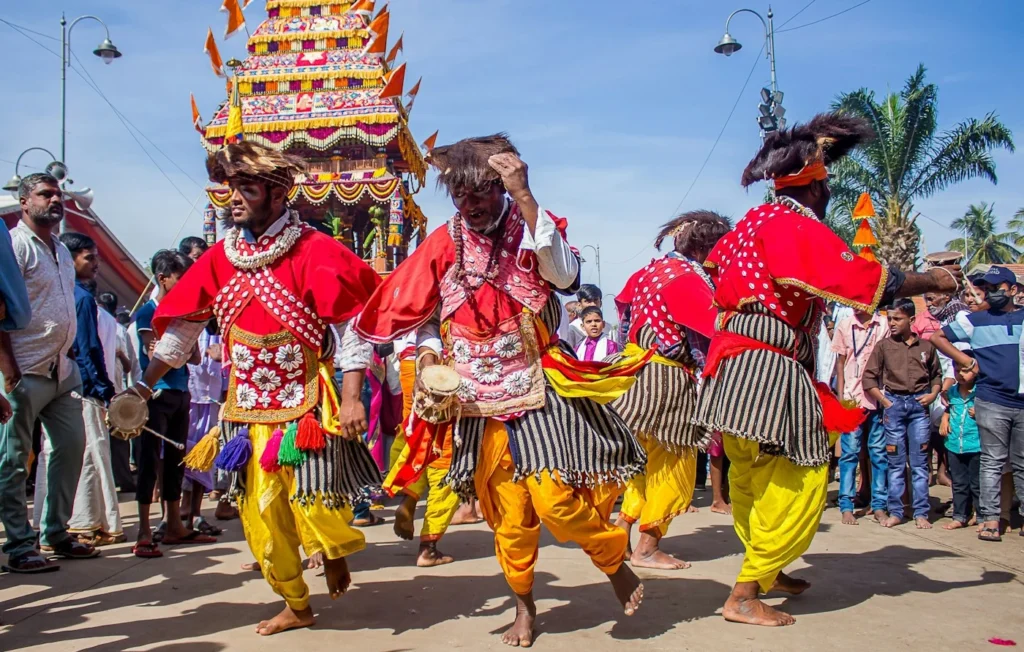
Lunyole, also written Lunyuli or Olunyole, is the language of the Banyole people. Their homeland, Bunyole, lies in Butaleja District in eastern Uganda, between Tororo, Mbale and Budaka. The 2002 census counted around 340,000 native speakers, and the population has grown since then. For more background, see Wikipedia’s Nyole language page or the Ethnologue entry for Nyole.
Language family
Lunyole is a Bantu language in the Niger-Congo family. Within Bantu, it belongs to the Masaba-Luhya group. So it is related to Lumasaba and to the Luhya languages of western Kenya.
However, people sometimes confuse Lunyole with Olunyole of Kenya. The two share a name, yet they are separate languages with only partial overlap in vocabulary. Therefore, we always confirm which language your project needs.
Neighbouring languages
Bunyole sits at a crossroads of languages. To the south and east, many people speak Dhopadhola, a Nilotic language, while Lugwere and Lusoga lie to the west. Lumasaba is spoken to the north-east. As a result, many Banyole are multilingual. Even so, Lunyole remains the language of home, family and local culture.
Sounds and spelling
Lunyole uses the Latin alphabet. Like other Bantu languages, it groups nouns into classes with prefixes, and verbs carry several prefixes and suffixes. In addition, Lunyole has some unusual sound patterns. For instance, linguists note that an old “p” sound became “ng” in many words, which creates surprising changes when prefixes join a word. Because of features like this, only native speakers produce truly natural text.
Culture and context
Butaleja is a farming district, and rice is a major crop. The Doho rice scheme, for example, supports many local farmers. People also grow maize, cassava and millet. Meanwhile, rivers such as the Manafwa sometimes flood low-lying areas, so disaster messages matter. The Banyole value clan ties, respectful greetings and proverbs, and these shape how people share news and advice.
Why Lunyole Translation Matters
Smaller languages often get left out of campaigns. Organisations may assume that everyone understands Luganda, Lusoga or English. In reality, many rural Banyole, especially older people and children, understand far more in their mother tongue.
When people receive information in Lunyole, they understand it better and trust it more. For example, a health worker who explains treatment in Lunyole can answer questions clearly. Similarly, a farmer who reads a guide in Lunyole is more likely to apply new methods. In short, Lunyole translation turns information into action.
Translation also shows respect. When a programme speaks the local language, communities see that it values them. As a result, they attend meetings, answer surveys honestly and share feedback.
Who Needs Lunyole Translation?
- Health teams. Malaria, immunisation, maternal health, nutrition and HIV campaigns need leaflets and radio scripts. See our medical translation services.
- Farming projects. Rice growers, irrigation schemes and cooperatives need training guides and notices.
- Disaster response. Flood warnings and relief messages must reach every household quickly.
- Researchers. Studies in Butaleja need consent forms, surveys and back-translation.
- Legal services. Land disputes, affidavits and court papers need precise wording. Our legal translation services can help.
- Education and faith. Schools, churches and mosques produce learning and religious materials.
- Government. Civic education, census and public notices reach more people in Lunyole.
English to Lunyole Translation
Most of our work runs from English to Lunyole. First, we agree on key terms that local people recognise. Next, we adapt idioms and examples so they fit life in Bunyole. We also write plainly for low-literacy readers and formally for official papers. Finally, we prepare scripts that sound natural on radio and through loudspeakers, because many people hear rather than read messages.
Lunyole to English Translation
We also translate from Lunyole to English. Common jobs include research interviews, focus groups, community feedback, letters and witness statements. When a proverb or clan term carries extra meaning, we add a short note. In addition, our transcription services turn recordings into time-stamped transcripts with English translation.
Challenges in Lunyole Translation
- Few resources. Lunyole has few dictionaries or style guides, so translators rely on deep personal knowledge.
- Technical words. Medical and legal terms often lack a Lunyole form. Therefore, we choose clear descriptions and keep them consistent.
- Mixed audiences. When readers also speak Dhopadhola or Lugwere, we discuss whether you need several language versions.
- Spelling choices. Because conventions vary, we agree on one approach before we start.
- Sensitive topics. Health, land and family matters need careful, respectful wording.
Tips to Prepare Your Lunyole Translation Project
A little preparation makes Lunyole translation faster and more accurate. First, tell us who your readers are, including their age, village and reading level. For example, a radio message for rice farmers needs simpler words than a report for district officials.
Next, send editable files where possible, because Word or Excel files are quicker to work with than scanned PDFs. In addition, share any approved terms or earlier translations, so we can keep wording consistent.
Then, think about the final format. Posters, SMS and radio each have their own limits, so let us know early. Also, tell us whether your audience includes Dhopadhola or Lugwere speakers, since you may need more than one version. Finally, allow a short window for local partners to review the text. As a result, your Lunyole translation will be ready on time and fit for the field.
Documents and Content We Handle
- Questionnaires, consent forms and interview guides
- Health leaflets, posters and radio scripts
- Farmer training guides and cooperative notices
- Flood warnings and relief messages
- Legal papers, letters and certificates
- School and church materials
- Video subtitles and voice-over scripts
Lunyole Translation for Farmers and Floods
Farming and flooding shape life in Butaleja. For example, rice growers need clear guidance on planting, water use and selling their crop. So extension teams and cooperatives often ask for Lunyole leaflets and radio scripts.
Floods bring a different kind of urgency. When rivers rise, families need short, simple warnings about where to go and what to do. Therefore, our translators keep alert messages brief and easy to follow on radio or loudspeaker. In addition, they use local place names that people recognise at once. As a result, warnings reach households quickly and clearly.
Lunyole Interpretation
Besides written work, we provide Lunyole interpreters for meetings, focus groups, interviews, clinics and court hearings. They can work in Butaleja and nearby towns, and also remotely by phone or video. Visit our interpretation services page for details.

Our Lunyole Translation Process
- Quote. First, send your files, audience and deadline. We then reply with a clear quote.
- Linguist match. Next, we assign a native Lunyole translator with relevant experience.
- Translation. The translator works from the source and builds a glossary of terms.
- Editing. After that, a second linguist checks meaning, spelling and tone.
- Quality check. We also verify names, numbers and layout, and we can add back-translation.
- Delivery. Finally, you receive the files in your format, with notes where useful.
Quality and Confidentiality
Our linguists sign confidentiality agreements, and only the project team sees your files. We also rely on people rather than machines. Online tools have almost no Lunyole data, so their output is unreliable. Because a second linguist reviews every file, errors rarely reach your audience. When you need it, we can also provide a certified Lunyole translation.
Why Choose Ugaafrik Editors for Lunyole Translation
- Native speakers who grew up in Bunyole and know its culture.
- Rare-language skill, because we work with many smaller Ugandan languages.
- Sector experience in health, farming, research and law.
- Full service, including interpreting, transcription, subtitles and proofreading.
- Clear updates and dependable delivery against your deadline.
Related Languages
Projects in eastern Uganda often need several languages. So, alongside Lunyole translation, we also cover Lumasaba, Lusoga and Ateso. You can browse all the Uganda languages we support.
Frequently Asked Questions
Most speakers live in Butaleja District in eastern Uganda, in the area known as Bunyole.
No. They share a name, but they are separate languages. Therefore, tell us which community you want to reach.
Yes. We translate documents, interviews and recordings from Lunyole to English, with transcripts if needed.
Cost depends on length, subject and deadline. So send your file for a free quote.
Yes. We supply interpreters in Butaleja and nearby areas, as well as remote interpreters by phone or video.
Request a Lunyole Translation Quote
Reach the Banyole with clear, respectful content. Request a quote and share your files and deadline. Alternatively, contact us to discuss your Lunyole translation or interpreting project.
Get a free quote
Tell us your language, document or event and deadline. We reply quickly with a clear price.
- Native-speaker linguists
- Second-linguist quality check
- Confidential, NDA on request
Our services
Popular languages
Talk to us
Phone: +256 781 683766
Email: info@ugaafrikeditors.com
Office: 2nd Floor L2-20, Kisakye Business Centre, Ntinda, Kampala